Cell fitness can predict COVID outcomes

lung-injury

Cell fitness has been identified as a way of predicting health outcomes in COVID patients, according to a University of Queensland study. The study investigated a cellular fitness marker, known as hfwe-Lose, to identify sub-optimal cells in patients who had been hospitalised or died from COVID at the start of the pandemic. Cell fitness has […]

Read More… from Cell fitness can predict COVID outcomes
Start-up gets backing for liver disease treatment

fatty liver disease

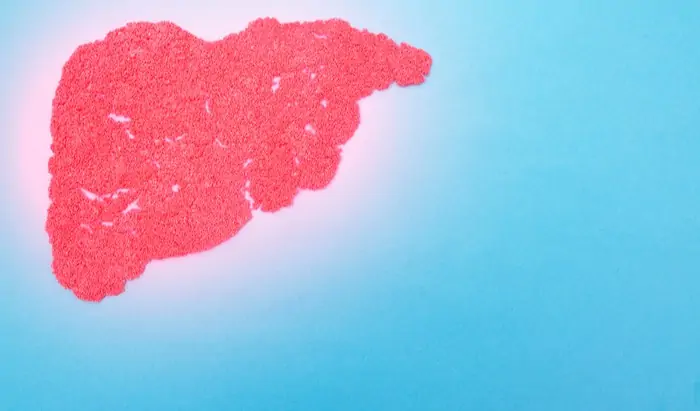
A University of Queensland start-up company, developing a potential new treatment for obesity-related liver disease, has secured a seed investment of $1.3 million from IP Group, a UK-based intellectual property business. Jetra Therapeutics Pty Ltd is developing a treatment with the potential to reverse liver damage caused by Non-alcoholic Fatty Liver Disease (NAFLD) and Non-alcoholic […]

Read More… from Start-up gets backing for liver disease treatment

$8M from Snow Medical Research Foundation for Breast Cancer

Snow Medical Foundation

$8M from Snow Medical Research Foundation to improve outcomes for breast cancer patients: A physician scientist whose research focuses on an important but overlooked problem in cancer biology has been awarded one of three $8 million Snow Fellowships. Announced today by the Snow Medical Research Foundation, the Fellowships are awarded to young, outstanding biomedical research leaders. […]

Read More… from $8M from Snow Medical Research Foundation for Breast Cancer

Cell-based vaccine for children and adolescents

cell-based

A cell-based influenza vaccine has effectively provided protection against the flu in children and adolescents, according to a new study. The research found the cell-based quadrivalent influenza vaccine (QIVc) produced a sufficient immune response in children aged two to 18 years. The lead investigator on the study was Professor Terry Nolan, head of the Vaccine and […]

Read More… from Cell-based vaccine for children and adolescents

Leading the fight against scabies

Leading a worldwide effort to better prevent and treat scabies: The Murdoch Children’s Research Institute (MCRI) and its partners are leading a global program to better prevent and treat scabies – the human parasite linked to severe skin infections, blood poisoning, kidney failure and heart disease.  The World Scabies Program (WSP) was established in 2019 thanks to an AU$10 million grant from the Macquarie Group’s 50th anniversary […]

Read More… from Leading the fight against scabies

Post-natal depression and low income study

Landmark

Landmark study links post-natal depression and low income: A longitudinal study of Queensland families has found women on lower incomes are more likely to suffer with pre and post-natal depression. An analysis of the Queensland Family Cohort (QFC) pilot project data, conducted by the University of Queensland’s Professor Brenda Gannon, found women diagnosed with depression […]

Read More… from Post-natal depression and low income study

Pandemic linked to rising rates of depressive and anxiety disorders

depressive

Cases of major depressive disorder and anxiety disorders have increased by more than 25 per cent worldwide, according to a world-first study of the impact of COVID-19 on mental health. The research, led by researchers from The University of Queensland’s School of Public Health, Queensland Centre for Mental Health Research and Institute for Health Metrics and Evaluation (University of Washington) […]

Read More… from Pandemic linked to rising rates of depressive and anxiety disorders

Improving heart health of kids with CP

CP

Improving heart health of kids with CP: A landmark research project led by The University of Queensland is aiming to improve the cardiovascular health of young children with cerebral palsy (CP) by trialling a new running program. Dr Sarah Reedman, a Research Fellow at UQ’s Cerebral Palsy and Rehabilitation Research Centre, said the study was the […]

Read More… from Improving heart health of kids with CP

Researchers target key protein to fight inflammatory disease

key protein

Researchers at the University of Queensland target key protein to fight inflammatory disease: For the first time, researchers have identified key molecules within the immune system that may help fight the inflammation that drives chronic diseases including cancers, sepsis and brain disease. The University of Queensland collaborated with the Indian Institute of Technology, Kanpur on […]

Read More… from Researchers target key protein to fight inflammatory disease

Monash University: Drug repurposing is no panacea in race to treat COVID-19

repurposing drugs

Drug repurposing is no quick fix for developing new treatments for disease, including COVID-19, and  there are inherent dangers and pitfalls with translating drugs such as chloroquine, hydroxychloroquine, ivermectin and similar compounds to treat COVID-19, say a team of experts. The potential challenges and opportunities with drug repurposing are highlighted in a paper authored  by a cross-section […]

Read More… from Monash University: Drug repurposing is no panacea in race to treat COVID-19