Lung cancer immunotherapy treatment

lung cancer

Potential marker for success of immunotherapy in the treatment of lung cancer: Lung cancer has the highest mortality rate of all cancers, and treatment options are extremely limited, especially for patients with oncogenic mutations in the KRAS gene. A great deal of hope was invested in the licensing of immune checkpoint inhibitors, but the reality […]

Read More… from Lung cancer immunotherapy treatment
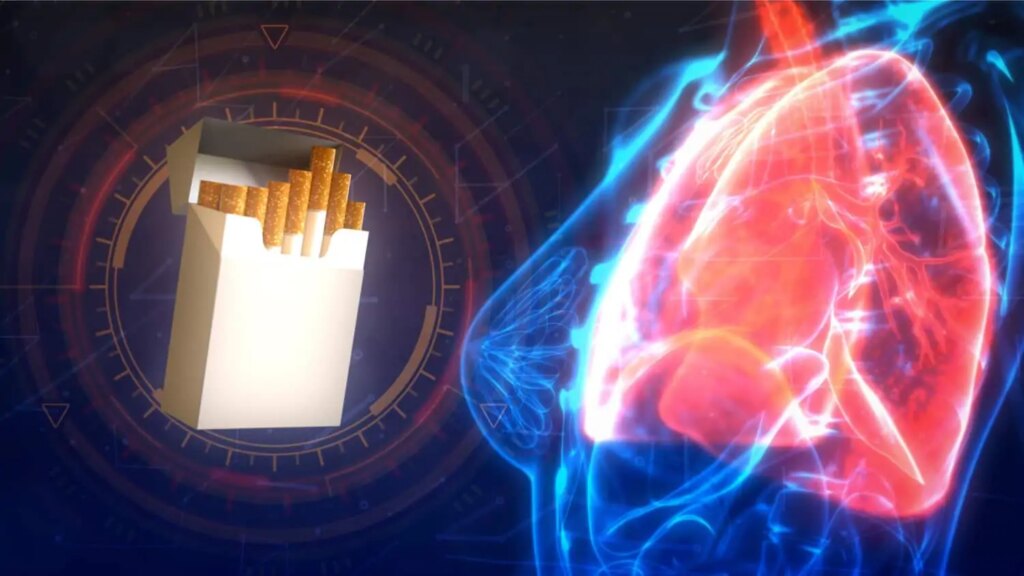
Improving immune response to cancer

improve immune response

Researchers discover way to improve immune response: Melbourne researchers have identified a way to improve the immune response in the face of severe viral infections. It is widely known that severe viral infections and cancer cause impairments to the immune system, including to T cells, a process called immune ‘exhaustion’. Overcoming immune exhaustion is a […]

Read More… from Improving immune response to cancer

AID/APOBECs defence against SARS-CoV-2

AID/APOBECs

AID/APOBECs among important factors in body’s defence against SARS-CoV-2: Together with their multifaceted action mechanisms, activation-induced cytidine deaminase (AID) and so-called APOBEC proteins are important factors in the body’s immune response and offer fast and effective protection against a large number of DNA and RNA viruses. The task of AID is to strengthen the human […]

Read More… from AID/APOBECs defence against SARS-CoV-2

Smokers at increased risk of recurring pneumonia

pneumonia

A new study, led by experts at the University of Nottingham, has shown that people who smoke are at a higher risk of being hospitalised repeatedly with pneumonia. Preventing hospitalisation for pneumonia, especially during winter, is one of the priorities for respiratory diseases in the NHS Long Term Plan and for the British Thoracic Society. […]

Read More… from Smokers at increased risk of recurring pneumonia

Liquid chalk highly effective in killing SARS-CoV-2 and influenza A viruses

liquid chalk

Liquid chalk highly effective in killing SARS-CoV-2 and influenza A viruses: Melbourne researchers have found that liquid chalk, commonly used in gyms to improve grip, acts as an antiseptic against highly infectious human viruses, completely killing both SARS-CoV-2 (the virus that causes COVID-19) and influenza A viruses. University of Melbourne Professor Jason Mackenzie, a laboratory […]

Read More… from Liquid chalk highly effective in killing SARS-CoV-2 and influenza A viruses

The VacSeen student led project

VacSafe

The VacSeen Project is a student-led initiative to vaccinate homeless people for free has received an “overwhelming response”, according to its seven University of Queensland founders. The VacSeen Project, which partners with existing health services to cover the cost of flu vaccines for the homeless, was partly the brainchild of second-year UQ Medicine student and project president, Jeremy […]

Read More… from The VacSeen student led project

China is certified malaria-free by WHO

From 30 million cases to zero: China is certified malaria-free by WHO: Following a 70-year effort, China has been awarded a malaria-free certification from WHO – a notable feat for a country that reported 30 million cases of the disease annually in the 1940s. “Today we congratulate the people of China on ridding the country […]

Read More… from China is certified malaria-free by WHO

Head and Neck Imaging Meeting of BSHNI and RSM

virtual

The largest annual meetings in Head and Neck Imaging in the UK is taking place online this year to make it available for participants from all over the world. Join this virtual 2 day conference to promote the practice of head and neck imaging through education and research. In an interactive session, experts in the field will […]

Read More… from Head and Neck Imaging Meeting of BSHNI and RSM

Sunflower peptide as “template” for potential analgesic

sunflower peptide

A naturally occurring peptide in sunflower seeds was synthetically optimised and has now been identified as a potential drug for treating abdominal pain or inflammation (in the gastrointestinal tract, abdominal area and/or internal organs). That is the finding of an international study led by Christian Gruber from MedUni Vienna’s Institute of Pharmacology (Center for Physiology […]

Read More… from Sunflower peptide as “template” for potential analgesic

Lead from leaded petrol persists in London air

leaded

Research from Imperial College London has found that lead from leaded petrol persists in London’s air despite its ban in 1999. Lead levels in London’s atmosphere have dropped drastically since lead additives in petrol were phased out, and currently meet UK air quality targets. However despite this drop, airborne particles in London are still highly […]

Read More… from Lead from leaded petrol persists in London air