How to recover from a car accident

car accident

How to recover from a car accident: Given that there are now well in excess of 39.2 million licensed vehicles in Great Britain, there are relatively few fatal accidents on the roads every single year. Between January and June 2020, for example, just 670 people were killed in reported road accidents, suggesting that the UK’s […]

Read More… from How to recover from a car accident

Shifts in the clinical landscape of autism

clinical

Shifts in the clinical landscape of autism: The therapeutic setting has changed for autism. Where once we would treat and instruct autistics on the basis that we knew best, that we were the ‘expert’, that ‘evidence-based behavioral practice’ was king, now we have to rethink who we are and what we do in a clinical […]

Read More… from Shifts in the clinical landscape of autism

BSPD issues paediatric oral health Blueprint

BSPD

As the new PM, Liz Truss puts her new administration together and sets out her policies, the British Society of Paediatric Dentistry (BSPD) sets out its ‘Blueprint to improve children’s oral health’ – with specific guidance on how best to get paediatric dentistry in the UK back on track. The Society’s message to the PM’s […]

Read More… from BSPD issues paediatric oral health Blueprint

Pain: the invisible affliction that brings misery to millions

Pain: the invisible affliction that brings misery to millions: Pain Awareness Month (September) helps to highlight the challenges faced by people living with both daily discomfort and acute injury – & calls for better understanding of new approaches to treatment Everyone will experience pain at some point in their lives – and thankfully for the […]

Read More… from Pain: the invisible affliction that brings misery to millions

Australian children are some of the least active in the world

Australian children

Australian children are some of the least active in the world. University of Newcastle researchers are addressing this head on with a range of innovative school-based programs that are getting our kids moving. For the third time in a row, Australia recorded a D- for overall physical activity among children in a national report commissioned […]

Read More… from Australian children are some of the least active in the world

Are you an active couch potato?

couch potato

‘Active couch potato’ – how sitting all day can erase a workout. New Finnish research published in Medicine & Science in Sports & Exercise suggests that a 30-minute workout, followed by a day of staring at a computer and then the television, could make someone “an active couch potato” – increasing the risk of various […]

Read More… from Are you an active couch potato?

Night owl sleep pattern puts you at risk

Night owl

Are you an early bird or a night owl? Our activity patterns and sleep cycles could influence our risk of diseases, such as type 2 diabetes and heart disease. New research published in Experimental Physiology found wake/sleep cycles cause metabolic differences and alter our body’s preference for energy sources. The researchers found that those who […]

Read More… from Night owl sleep pattern puts you at risk

Generational damage from second-hand smoke

second-hand

Second-hand smoke a possible asthma risk for future generations, study finds: Children are more likely to develop asthma if their father was exposed to second-hand smoke when he was a child, according to a study published today in the European Respiratory Journal. Led by University of Melbourne researchers, Mr Jiacheng Liu and Dr Dinh Bui, […]

Read More… from Generational damage from second-hand smoke

Teen substance-use influenced by social media

substance-use

Study finds social media encourages teen substance-use: New research has found adolescents who are active on social media are being exposed to content that could put them at risk of developing drug and alcohol issues. The study, led by University of Queensland PhD student Brienna Rutherford from UQ’s National Centre for Youth Substance Use Research, examined […]

Read More… from Teen substance-use influenced by social media

Nanoplastics can move up the food chain

food chain

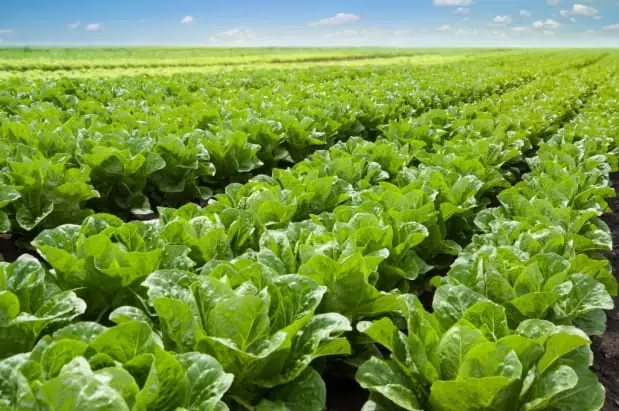
Nanoplastics can move up the food chain from plants to insects and from insects to fish: A new study from the University of Eastern Finland shows that lettuce can take up nanoplastics from the soil and transfer them into the food chain. The concern about plastic pollution has become widespread after it was realised that mismanaged […]

Read More… from Nanoplastics can move up the food chain