The role of the lymphatic drainage of the brain

lymphatic

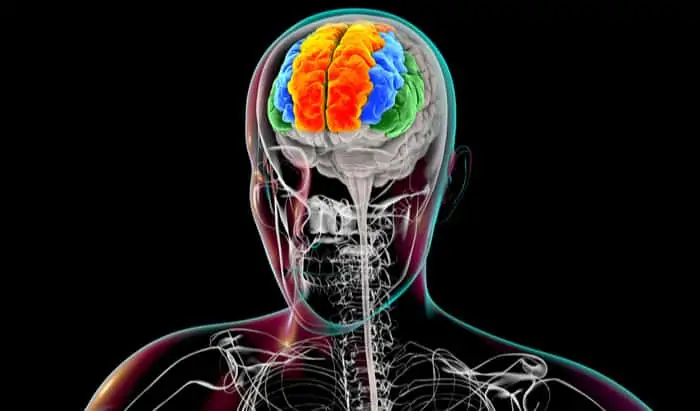
In the 1990s, Dr Ray Perrin DO PhD an osteopath and neuroscientist from Manchester, UK originally hypothesized that an important component of ME/CFS and fibromyalgia syndrome (FMS) involves a disturbance of lymphatic drainage from the central nervous system leading to a build-up of pro-inflammatory toxins, especially post-infectious cytokines. Perrin postulated that this results in further […]

Read More… from The role of the lymphatic drainage of the brain

Alzheimer’s: Elective revascularisation

People with and without Alzheimer’s have a different threshold for elective revascularisation, but outcomes are similar. The risk of both mortality and rehospitalisation after an elective revascularisation procedure for coronary artery disease is similar for people with and without Alzheimer’s disease (AD), but people with AD had worse outcomes after an emergency procedure, according to […]

Read More… from Alzheimer’s: Elective revascularisation

How the brain ‘tangles’ in Alzheimer’s Disease

tangles

New discovery for how the brain ‘tangles’ in Alzheimer’s Disease: University of Queensland researchers have discovered a new ‘seeding’ process in brain cells that could be a cause of dementia and Alzheimer’s disease. UQ’s Queensland Brain Institute dementia researcher Professor Jürgen Götz said the study revealed that tangled neurons, a hallmark sign of dementia, form in part by a […]

Read More… from How the brain ‘tangles’ in Alzheimer’s Disease

Sleep disorders: Patients often underestimate their total sleep time

sleep medicine

People with sleep disorders commonly have a misperception about their actual sleep behaviour. A research group led by Karin Trimmel and Stefan Seidel from MedUni Vienna’s Department of Neurology (Outpatient Clinic for Sleep Disorders and Sleep-Related Disorders) analysed polysomnography results to identify the types of sleep disorder that are associated with a discrepancy between self-reported […]

Read More… from Sleep disorders: Patients often underestimate their total sleep time

Cerebrovascular disease: Neural network enables assessment of sleep apnoea severity

Cerebrovascular

A new neural network developed by researchers at the University of Eastern Finland and Kuopio University Hospital enables an easy and accurate assessment of sleep apnoea severity in patients with cerebrovascular disease. The assessment is automated and based on a simple nocturnal pulse oximetry, making it possible to easily screen for sleep apnoea in stroke […]

Read More… from Cerebrovascular disease: Neural network enables assessment of sleep apnoea severity

Anticipation of the future reward shapes self-controlled choice

frontotemporal

Anticipation of the future reward shapes self-controlled choice: Research published in the Journal of Neuroscience shows the prefrontal cortex of the human brain is associated with anticipation of favourable future events and shapes how individuals make a choice, advancing our understanding of self-control in decision making. Using MRI functional scanning to observe participants awaiting an unexperienced […]

Read More… from Anticipation of the future reward shapes self-controlled choice

Newly described condition causes loss of vertigo perception and imbalance

vertigo

 A condition that causes loss of vertigo perception and imbalance has been diagnosed in traumatic brain injury patients for the first time.   In a clinical study led by researchers at Imperial College London and clinicians at Imperial College Healthcare NHS Trust, out of 37 patients with acute traumatic brain injury (TBI), fifteen were diagnosed with a newly characterised neurological diagnosis called vestibular agnosia – a condition in the brain which results in loss of vertigo perception […]

Read More… from Newly described condition causes loss of vertigo perception and imbalance

Hand-eye coordination more sensitive to alcohol

hand-eye

Study finds blood alcohol levels much lower than the legal limit impair hand-eye coordination: In previous studies, eye movements and vision were only affected at blood alcohol concentrations (BACs) approaching the legal limit for driving (0.08% BAC), in England, Wales and Northern Ireland (1). New research published in The Journal of Physiology however found for the first […]

Read More… from Hand-eye coordination more sensitive to alcohol

Researchers call for the term ‘high functioning autism’ to be consigned to history

Researchers call for the term ‘high functioning autism’ to be consigned to history. Autism researchers from the Telethon Kids Institute have called for the term ‘high functioning autism’ to be abandoned because of the misleading and potentially harmful expectations it creates around the abilities of children on the autism spectrum. In research published in the […]

Read More… from Researchers call for the term ‘high functioning autism’ to be consigned to history

Research with life-saving potential for adults with learning disabilities and autism

learning

Early recognition of deterioration in health can save lives.  A research team at Northumbria University have launched a major project exploring how carers recognise and manage deterioration in the health of people with learning disabilities and autism. Approximately 1.5million people in the UK have a learning disability and it is estimated that around 1% of the […]

Read More… from Research with life-saving potential for adults with learning disabilities and autism