Kids’ noses can better fight COVID-19

noses

University of Queensland-led research has found the lining of children’s noses is better at inhibiting SARS-CoV-2 infections than adult noses. Dr Kirsty Short from UQ’s School of Chemistry and Molecular Biosciences said it might be one reason why children’s immune responses have so far proven more effective at avoiding and fighting COVID-19. “Children have a […]

Read More… from Kids’ noses can better fight COVID-19

Today is Playday

Playday is the national day for play, traditionally held on the first Wednesday in August. It is the biggest play sector event in the UK, and possibly Europe! As well as a celebration of children’s right to play, Playday is a campaign that highlights the importance of play in children’s lives. Playday is coordinated by […]

Read More… from Today is Playday

World Breastfeeding Week 2022

This week is World Breastfeeding Week 2022. Breastfeeding plays and important role in managing the double burden of malnutrition. Breastfeeding provides food security and reduces inequalities.  This breastfeeding week focuses upon rebuilding essential pre-pandemic support systems. It takes a village to raise a child. Parents face a multitude of challenges in providing the best care […]

Read More… from World Breastfeeding Week 2022

GOSH: new epilepsy research reveals brain wiring differences

New epilepsy research reveals brain wiring differences: Children with epilepsy have brains that are wired differently from those without the condition, a new study by our researchers has found. This new epilepsy research paves the way for improved treatment, specifically how different surgery techniques can treat children and young people with epilepsy. A collaborative project, […]

Read More… from GOSH: new epilepsy research reveals brain wiring differences

Joint statement: World Breastfeeding Week

Joint statement

Joint statement by UNICEF Executive Director Catherine Russell and WHO Director-General Dr Tedros Adhanom Ghebreyesus on the occasion of World Breastfeeding Week: As global crises continue to threaten the health and nutrition of millions of babies and children, the vital importance of breastfeeding as the best possible start in life is more critical than ever. […]

Read More… from Joint statement: World Breastfeeding Week

Future of premature baby care

brain

Study shows potential for improving premature baby care: One in two premature babies receives transfusions of red blood cells (RBC) due to anaemia. There are no generally accepted clinical guidelines for the degree of anaemia necessitating blood transfusions. MedUni Vienna researchers have now conducted a critical review of the currently available literature. Their review has […]

Read More… from Future of premature baby care

Sun tips for young children

Sun tips

Tips to protect your baby or child from the sun: Babies over six months old can enjoy a limited amount of sunlight, providing they have been protected by the appropriate measures. It is especially important to protect younger ones from harmful UV rays as those who are burned as young children are 80% more likely […]

Read More… from Sun tips for young children

Adolescent arterial stiffness

arterial stiffness

Adolescent arterial stiffness – a novel risk factor for hypertension and insulin resistance in young adulthood and for type 2 diabetes mellitus in mid-adulthood: Emerging evidence suggests that arterial stiffness may be a novel risk factor to be targeted in the prevention and treatment of vascular and metabolic diseases from a young age, a review […]

Read More… from Adolescent arterial stiffness

School dinners using ultra-processed foods

ultra-processed

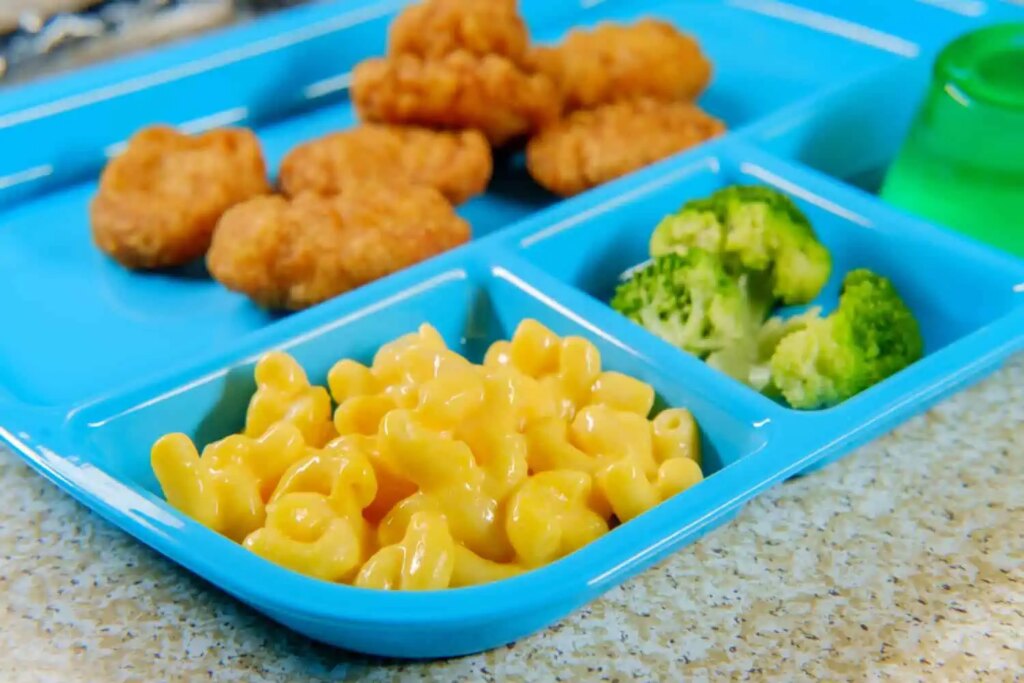
Ultra-processed foods make up almost two-thirds of Britain’s school meals: School meals in the UK contain lots of highly processed foods, promoting poor health among children and increasing their risk of obesity. British primary and secondary schoolchildren are getting the majority of their lunchtime calories from ‘ultra-processed’ foods, according to a study led by researchers at […]

Read More… from School dinners using ultra-processed foods

Impact of head injuries in children

head injuries

Head injuries in children linked to reduced brain size and learning difficulties: Traumatic brain injury may lead to reduced brain size in some children and teenagers which can be linked to cognitive problems, a new study shows. People who experience a serious blow to the head can suffer brain injury resulting in long-term cognitive problems […]

Read More… from Impact of head injuries in children