Reducing HIV risk for women

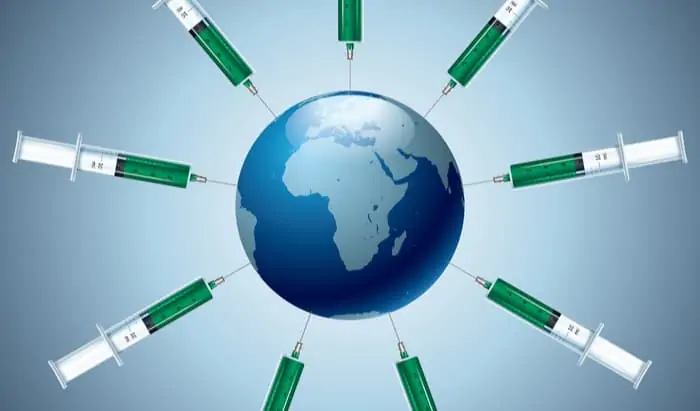
The first long-acting option to protect women from HIV, proven to reduce women’s HIV risk, has been recommended for use by the World Health Organization (WHO). For nearly two decades, researchers from the School of Pharmacy at Queen’s University Belfast have been supporting development of a new drug-releasing vaginal ring to protect women from infection […]

Read More… from Reducing HIV risk for women

End Inequalities, End AIDS, End Pandemics

This World AIDS Day: End Inequalities, End AIDS, End Pandemics: “As if HIV itself were not enough, COVID-19 has brought more fear and insecurities to the communities. I felt the same things with the COVID-19 pandemic that I did when I heard I had the HIV virus—fear, anxiety, stress, and limitations. In the community, they say COVID-19 will be the end of the […]

Read More… from End Inequalities, End AIDS, End Pandemics

Suicide rates in menopausal women up 6%

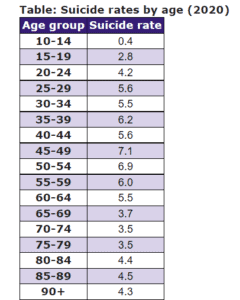
Suicide rates among women aged 45 to 54 — the most common age to be experiencing menopause and perimenopause — have risen 6% in the last 20 years, defying a trend for falling rates among older women[1], reveals research by Menopause Experts Group.   Those aged 45 to 54 have the highest suicide rate among women, […]

Read More… from Suicide rates in menopausal women up 6%

£1.2m project to improve drug delivery

Drug delivery The Hippocratic ~Post - drugs

Queen’s University Belfast are leading a £1.2m project to improve drug delivery for a range of illnesses. The grant, awarded by the Engineering and Physical Sciences Research Council (EPSRC), part of the UK Research and Innovation, will accelerate the development of microarray patches to make them available to patients worldwide. Microarray patches offer practical solutions […]

Read More… from £1.2m project to improve drug delivery

New DIY artificial pancreas guidance

pancreas

Diabetes UK responds to new DIY artificial pancreas guidance published in The Lancet Diabetes & Endocrinology on Sunday (14 November) about guidance for people with type 1 diabetes using DIY technology to manage their condition. Nikki Joule is Policy Manager at Diabetes UK, said:  “Do-it-yourself artificial pancreas technology is a great example of patient-led innovation and […]

Read More… from New DIY artificial pancreas guidance

WHO: Barriers to insulin 100 years on

Global Diabetes Compact

New WHO report maps barriers to insulin availability and suggests actions to promote universal access: 100 years after its discovery, insulin still out of reach for many living with diabetes A new report published by WHO in the lead-up to World Diabetes Day highlights the alarming state of global access to insulin and diabetes care, and […]

Read More… from WHO: Barriers to insulin 100 years on

New tech wound healing

feet hovering over water

Safe and effective – wound healing preparation reaches clinical phase II: APO-2 (Aposec) is a secretome-based trial preparation derived from stressed peripheral blood mononuclear cells. APO-2 was shown to be safe and effective in a multinational Phase I study in patients with diabetic foot ulcers (non-healing foot ulcers). The Data Safety Monitoring Board has therefore […]

Read More… from New tech wound healing

Cell-based vaccine for children and adolescents

cell-based

A cell-based influenza vaccine has effectively provided protection against the flu in children and adolescents, according to a new study. The research found the cell-based quadrivalent influenza vaccine (QIVc) produced a sufficient immune response in children aged two to 18 years. The lead investigator on the study was Professor Terry Nolan, head of the Vaccine and […]

Read More… from Cell-based vaccine for children and adolescents

Personalized medicine study for cancer therapies

personalized medicine

First worldwide personalized medicine study using a functional test demonstrates clinical feasibility and efficacy of individualized therapy in leukemia and lymphoma patients. Standard therapy for advanced recurring aggressive, hematological malignancies, such as leukemias and lymphomas, have a limited effect with patients experiencing short survival times. A study at the Vienna General Hospital conducted by physicians […]

Read More… from Personalized medicine study for cancer therapies

WHO recommends malaria vaccine for children at risk

malaria vaccine

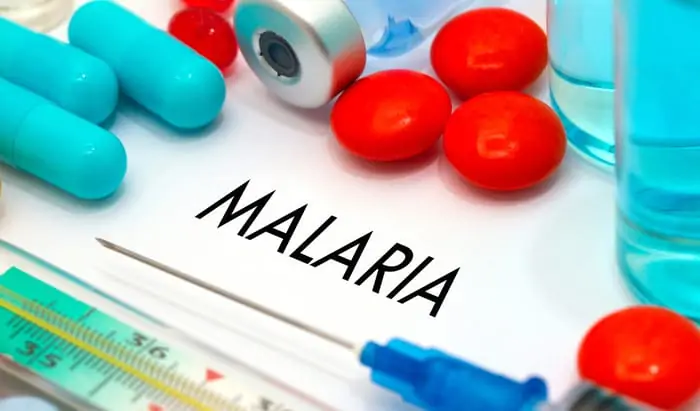
WHO recommends ground breaking malaria vaccine for children at risk.  Historic RTS,S/AS01 recommendation can reinvigorate the fight against malaria. The World Health Organization (WHO) is recommending widespread use of the RTS,S/AS01 (RTS,S) malaria vaccine among children in sub-Saharan Africa and in other regions with moderate to high P. falciparum malaria transmission The recommendation is based on […]

Read More… from WHO recommends malaria vaccine for children at risk