Childhood trauma can make people like morphine more

morphine

People who experienced childhood trauma get a more pleasurable ‘high’ from morphine, new research suggests. Dr Molly Carlyle from The University of Queensland’s School of Psychology said high rates of childhood trauma have been identified in people with addictions, but little research has explored the mechanisms that underlie this link. “Our findings show these sorts […]

Read More… from Childhood trauma can make people like morphine more

On Happiness – a Wellcome exhibition

Rebecca Wallersteiner looks at On Happiness, two concurrent new exhibitions at Wellcome Collection, London from July ‘21 which explore ways in which people can navigate the complexity of feelings and find joy and happiness under duress. It is a man’s own mind, not his enemy or foe that lures him to evil ways. We are […]

Read More… from On Happiness – a Wellcome exhibition

US crime shows distorts social perceptions

crime shows

High consumption of US crime shows on television distorts social perceptions and promotes common myths. People with a great amount of US-based crime-related television viewing are more likely to be susceptible to misconceptions regarding the death penalty – irrespective of their age, education, or gender. This is the basic finding of a new edition of […]

Read More… from US crime shows distorts social perceptions

Hunger provokes hangry behaviour

hangry

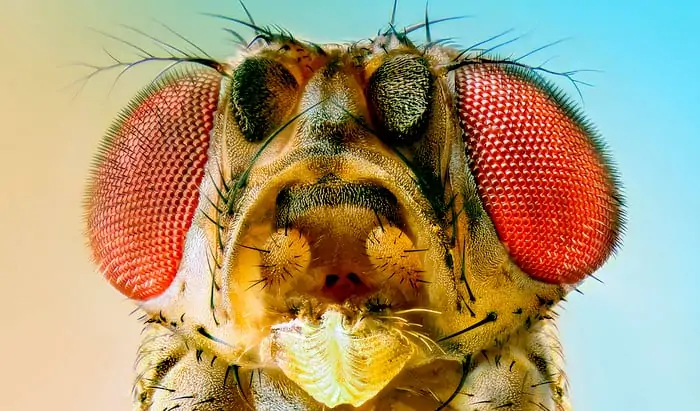
Hunger provokes hangry behaviour, even in fruit flies: New research shows humans aren’t the only ones who can turn irritable and aggressive between meals.  Acting crabby, ratty or waspish can accompany feelings of hunger in people, but it turns out even tiny fruit flies get ‘hangry’ when deprived food. New research from the University of East […]

Read More… from Hunger provokes hangry behaviour

Mental health in schools and colleges: the impact of COVID-19

mental health in schools

Transforming mental health in schools and colleges: the impact of COVID-19: Royal Society of Medicine conference: Thursday 22 April, online, 10.00am to 5.30pm Clinicians, researchers, teachers, parents, and young people will gather at an online conference hosted by the Royal Society of Medicine and the mental health charity Mind on Thursday 22 April to explore how lockdown has affected mental health in our […]

Read More… from Mental health in schools and colleges: the impact of COVID-19

The clear message on promoting body positivity

body positivity

The clear message on promoting body positivity: Public health campaigns that challenge weight stigma and promote body positivity can boost the health and well-being for people of all body sizes, according to a University of Queensland study. UQ School of Psychology PhD scholar Joanne Rathbone has led a project which examined how different public health […]

Read More… from The clear message on promoting body positivity

The toll of Schizophrenia and personality disorders

personality disorders

Schizophrenia and personality disorders are the most disabling mental health conditions to live with, according to scientists from The University of Queensland. A Danish-Australian research team studied a cohort of 6.9 million Danish residents in the Danish Psychiatric Central Research Register to understand the burden of disability associated with 18 mental and substance use disorders. Professor […]

Read More… from The toll of Schizophrenia and personality disorders

Binge drinking in adolescence and the brain

Binge

Binge drinking in adolescence is associated with changes in the volume of the cerebellum in young adulthood, a new study from the University of Eastern Finland and Kuopio University Hospital shows. Earlier studies have shown that excessive, long-term alcohol consumption causes damage to the cerebellum in adults, but there is very little data on the […]

Read More… from Binge drinking in adolescence and the brain

COVID conspiracy theorists

conspiracy theorists

COVID-19 conspiracy theorists are more concerned about their own health and less concerned about the health of others, according to a study led by University of Queensland researchers. Professor Jolanda Jetten from the UQ School of Psychology said the research found conspiracy theorists were also more likely to respond to COVID-19 with self-focused strategies rather than strategies that assist society […]

Read More… from COVID conspiracy theorists