Nanocapsules could reduce existing treatment’s side effects

nanocapsules

Blood clot-busting nanocapsules could reduce existing treatment’s side effects: Imperial researchers have designed drug delivery nanocapsules that could reduce the side effects of a major blood clot dissolving drug. Tested on human blood in the lab, the selective nanocapsules could reduce the side effects of a major blood clot dissolving drug, which include bleeding on […]

Read More… from Nanocapsules could reduce existing treatment’s side effects

Hunger provokes hangry behaviour

hangry

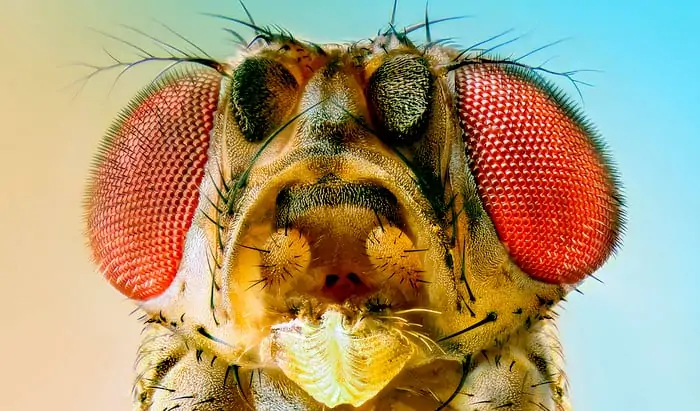
Hunger provokes hangry behaviour, even in fruit flies: New research shows humans aren’t the only ones who can turn irritable and aggressive between meals.  Acting crabby, ratty or waspish can accompany feelings of hunger in people, but it turns out even tiny fruit flies get ‘hangry’ when deprived food. New research from the University of East […]

Read More… from Hunger provokes hangry behaviour

University will host world’s first Covid-19 vaccine booster trials

booster

The world’s first Covid-19 vaccine booster jab is to be administered at the University of Bradford’s cutting-edge Digital Health Enterprise Zone on June 1. The jabs are being tested as a possible precaution against variants of the coronavirus, with the trial lasting one year. The trial is being conducted by Bradford Teaching Hospitals NHS Foundation […]

Read More… from University will host world’s first Covid-19 vaccine booster trials

Yemen: Surgery on the Frontlines

yemen

DNF Faculty Member Ammar Darwish shares his experience of operating in the world’s worst humanitarian crisis: “The Yemeni medical staff in Marib sent a call for assistance as they have been extremely overwhelmed with injured patients from the war” David and Ammar were called up by Syria Relief to assist the medical staff in the […]

Read More… from Yemen: Surgery on the Frontlines

Policymakers urged not to overlook work of churches and Christian action groups

christian

Politicians and policymakers should examine the work of churches and Christian action groups if they want to tackle the root causes of poverty in the UK. That is the verdict of research led by Coventry University’s Centre for Trust, Peace and Social Relations, which found that Christian groups serve a broader audience than their name […]

Read More… from Policymakers urged not to overlook work of churches and Christian action groups

New Report: COVID-19 vaccine hesitancy

report

Concerns about side effects and whether vaccines have been through enough testing are holding people back from getting vaccinated against COVID-19, according to a new report. Data from an international survey of 15 countries which ran between March and May this year showed that these were the most commonly cited reasons for not having had […]

Read More… from New Report: COVID-19 vaccine hesitancy

Top 5 causes of serious injury for children

serious injury

5 most common causes of serious injury for children: The 7th – 13th June 2021 is Child Safety Week, run by the Child Accident Prevention Trust (CAPT) to raise awareness of the risks of child accidents and how they can be prevented. CAPT analysed data on England’s deaths and hospital admissions for five years from 2008-12 […]

Read More… from Top 5 causes of serious injury for children

Needle-free COVID-19 vaccine shows promise

needle-free

A needle-free COVID-19 vaccination could be possible, with University of Queensland scientists successfully protecting mice from the virus by administering a US-developed vaccine candidate with a ‘patch’. The University of Texas Hexapro vaccine candidate – delivered via the UQ-developed and Vaxxas-commercialised high-density microarray patch (HD-MAP) – provided protection against COVID-19 disease with a single, pain-free ‘click’ from a pocket-sized applicator. […]

Read More… from Needle-free COVID-19 vaccine shows promise

MicroRNAs may contribute to atherogenesis

atherogenesis

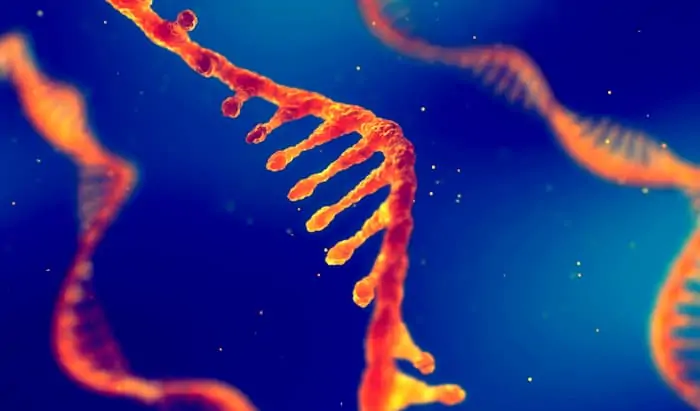
MicroRNAs may contribute to atherogenesis in a cell-type-dependent manner: Researchers at the University of Eastern Finland have uncovered potential mechanisms by which microRNAs (miRNA) drive atherogenesis in a cell-type-specific manner. Published in the Arteriosclerosis, Thrombosis, and Vascular Biology journal, the study provides novel insight into the miRNA profiles of the main cell types involved in atherosclerosis. […]

Read More… from MicroRNAs may contribute to atherogenesis