NHS England reform must prioritise dentistry

prioritise dentistry

NHS England reform must prioritise dentistry: Comment from Dr Nigel Carter, Chief Executive of the Oral Health Foundation The Prime Minister’s decision to abolish NHS England marks a seismic shift in healthcare governance. While we support efforts to cut bureaucracy and direct resources to frontline care, there is an urgent need for clarity on what […]

Read More… from NHS England reform must prioritise dentistry

Promising new therapeutic approach for paediatric brain tumours

Paediatric brain tumours

Paediatric brain tumours remain the most common cause of death from childhood cancer. Paediatric high-grade gliomas (pHGG) in particular are a mostly fatal disease group with a median survival time of less than 18 months after diagnosis and limited treatment options. A research team from MedUni Vienna/University Hospital Vienna, the Dana-Farber Cancer Institute and the […]

Read More… from Promising new therapeutic approach for paediatric brain tumours

NHS approval of endometriosis therapy Ryeqo enhances patient care

endometriosis therapy

NHS approval of endometriosis therapy Ryeqo enhances patient care, eases healthcare strain, says GlobalData. A new endometriosis pill, relugolix combination therapy (Ryeqo), has been approved for NHS use in England. Expected to benefit around 1,000 women annually, the pill offers a more convenient, effective treatment option. The National Health Service (NHS) in England has approved […]

Read More… from NHS approval of endometriosis therapy Ryeqo enhances patient care

Focus on the gut-liver axis

liver

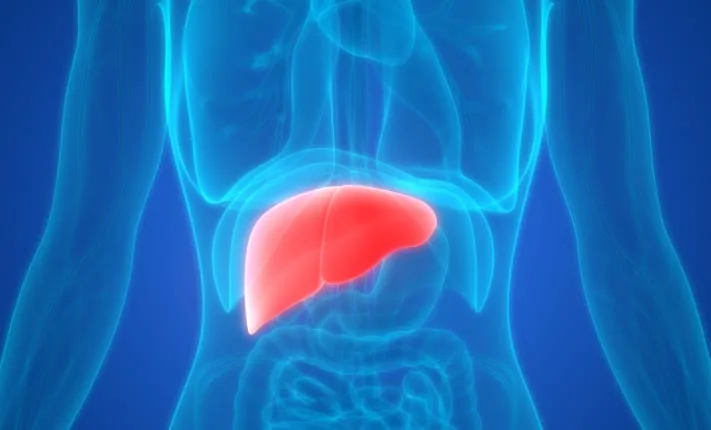
NorUDCA (24-nor-ursodeoxycholic acid) is a chemically modified bile acid that has already shown promising results in the treatment of liver diseases such as primary sclerosing cholangitis (PSC) and is being tested in clinical studies. As PSC is often associated and potentially causally linked with chronic inflammatory bowel disease, a MedUni Vienna research team, jointly led […]

Read More… from Focus on the gut-liver axis

Febrile Convulsions and Seizures in Children

febrile

Febrile convulsions are incredibly common in babies and small children. Fits or seizures are triggered by a rise in their core body temperature when they are unwell and feverish. As many as one in 20 children may experience a febrile convulsion by the time they are 5 years old. Febrile convulsions occur most frequently in children between […]

Read More… from Febrile Convulsions and Seizures in Children

Water fluoridation: Something to smile about

fluoridation

The British Dental Association has welcomed the rollout of fluoridation in the North East – alongside supervised brushing nationwide – but stressed these policies while effective have been needed for decades, and the delays they have faced reflect the lack of priority placed on oral health among successive governments and especially at the Treasury. Both […]

Read More… from Water fluoridation: Something to smile about

Bowel screening uptake boosted

bowel

Researchers found that adding a deadline to bowel screening invitation letters boosted test returns, with the largest effect for a 2-week return deadline. The study, which was led by Professor Katie Robb from the University of Glasgow’s School of Health and Wellbeing, involved 40,000 adults in the nationwide Scottish Bowel Screening Programme. Screening by self-sampled […]

Read More… from Bowel screening uptake boosted

MPs to debate Rare Cancers Bill

On Friday, 14th March Members of Parliament will meet to debate the Rare Cancers Bill, a Private Members’ Bill presented by Dr Scott Arthur MP (Labour, Edinburgh South West). The law change would implement key measures to address the left behind group of cancers called “rare cancers”. While each cancer may be rare, in aggregate […]

Read More… from MPs to debate Rare Cancers Bill

Bosses urged to do more to support neurodiverse staff

New research published by workplace expert Acas, highlights the importance of training and proactive action to support neurodiverse staff. Neurodiversity describes the natural differences in how people’s brains process information, and how they feel and behave. Well-known types of neurodivergence include neurodevelopmental conditions such as ADHD, autism, dyslexia and dyspraxia. The report emphasises the importance […]

Read More… from Bosses urged to do more to support neurodiverse staff