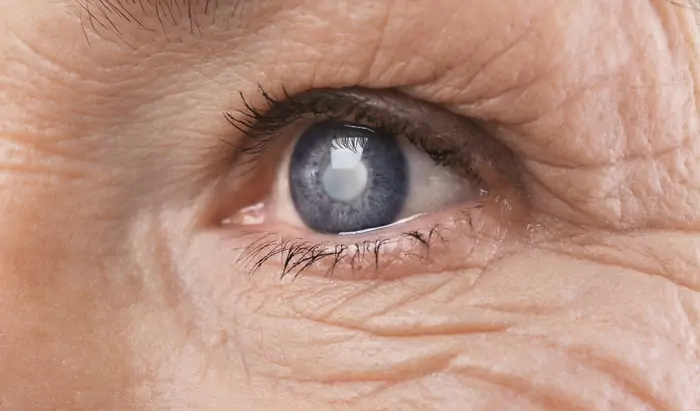
Human olfactory mucosa cell model opens a new perspective on Alzheimer’s disease

olfactory mucosa

Human olfactory mucosa cell model opens a new perspective on Alzheimer’s disease: Researchers at the University of Eastern Finland have developed and characterized a new cell model for Alzheimer’s disease that has wide utility for research and could prove useful in early diagnosis and testing of new therapies. In collaboration with clinicians at Kuopio University […]

Read More… from Human olfactory mucosa cell model opens a new perspective on Alzheimer’s disease

Air pollution linked with dementia risk

dementia risk

Researchers find air pollution linked with dementia risk: A research study conducted by a team of academics at the University of Wolverhampton has demonstrated that the risk of dementia significantly increased with air pollution exposure. The two-year study, ‘Association of air pollution exposure with dementia’ received funding by the European Commission Horizon 2020 Framework Programme […]

Read More… from Air pollution linked with dementia risk

Protein from the liver may cause Alzheimer’s disease

protein

Protein from the liver may cause Alzheimer’s disease in the brain: The study, published in the prestigious PLOS Biology journal and tested on mouse models, identified that a probable cause of Alzheimer’s disease was the leakage from blood into the brain of fat-carrying particles transporting toxic proteins. Lead investigator Curtin Health Innovation Research Institute (CHIRI) Director Professor […]

Read More… from Protein from the liver may cause Alzheimer’s disease

Physical exercise modulates iron in Alzheimer’s disease

iron

Physical exercise modulates iron in Alzheimer’s disease: A recent experimental study shows how regular physical exercise modulates iron metabolism in both the brain and the muscles. The findings also help to better understand the benefits of exercise in Alzheimer’s disease. The study was published in a special issue of the International Journal of Molecular Sciences entitled Redox […]

Read More… from Physical exercise modulates iron in Alzheimer’s disease

Non-invasive potential treatment for Alzheimer’s disease

Non-invasive potential treatment for Alzheimer’s disease: Ultrasound can overcome some of the detrimental effects of ageing and dementia without the need to cross the blood-brain barrier, researchers at The University of Queensland have found. Professor Jürgen Götz from UQ’s Queensland Brain Institute (QBI) led a multidisciplinary team who showed low-intensity ultrasound effectively restored cognition without opening the barrier in mice models. The […]

Read More… from Non-invasive potential treatment for Alzheimer’s disease

Cannabis capsules for neurological diseases

tiny cannabis capsules

Study finds tiny cannabis capsules could help treat neurological diseases: A team of researchers led by Curtin University has discovered a new way to improve the absorption rate of medicinal cannabis when taken orally, which could potentially be used to treat neurological disorders such as Alzheimer’s disease, multiple sclerosis and traumatic brain injuries in the […]

Read More… from Cannabis capsules for neurological diseases

Alzheimer’s and cataract surgery

Alzheimer's and cataract surgery

Alzheimer’s and cataract surgery: People with newly diagnosed Alzheimer’s disease are less likely to have cataract surgery than people without Alzheimer’s disease. People with Alzheimer’s disease (AD) are less likely to have cataract surgery than people without Alzheimer’s disease. The procedure rate starts to decrease already one year after the diagnosis, according to a new study […]

Read More… from Alzheimer’s and cataract surgery

Neuroprotection in the early stages of Alzheimer’s

neuroprotection

A protein modification of the gene expression regulator MECP2 can convey neuroprotection under inflammation. Researchers at the University of Eastern Finland have found a potential neuroprotective effect of a protein modification that could be a therapeutic target in early Alzheimer’s disease. The new study investigated the role of MECP2, a regulator of gene expression, in […]

Read More… from Neuroprotection in the early stages of Alzheimer’s

Alzheimer’s: Elective revascularisation

People with and without Alzheimer’s have a different threshold for elective revascularisation, but outcomes are similar. The risk of both mortality and rehospitalisation after an elective revascularisation procedure for coronary artery disease is similar for people with and without Alzheimer’s disease (AD), but people with AD had worse outcomes after an emergency procedure, according to […]

Read More… from Alzheimer’s: Elective revascularisation

Diabetes increases neuritic damage in Alzheimer’s

diabetes

New research from the University of Eastern Finland explores the role of diabetes in the cellular and molecular changes underlying Alzheimer’s disease (AD). In an AD mouse model, diabetes induced through a diet rich in fats and sugars weakened the accumulation of microglial cells around amyloid plaques and increased the formation of neuritic plaques with […]

Read More… from Diabetes increases neuritic damage in Alzheimer’s