Mushrooms magnify memory by boosting nerve growth

mushrooms magnify

Mushrooms magnify memory by boosting nerve growth: Researchers from The University of Queensland have discovered the active compound from an edible mushroom that boosts nerve growth and enhances memory. Professor Frederic Meunier from the Queensland Brain Institute said the team had identified new active compounds from the mushroom, Hericium erinaceus. Researchers from The University of […]

Read More… from Mushrooms magnify memory by boosting nerve growth

Stranded dolphins show signs of Alzheimer’s

stranded dolphins

Stranded dolphins show signs of Alzheimer’s: The brains of three different species of stranded dolphins show classic markers of Alzheimer’s disease, according to a new paper. The findings could support the ‘sick-leader’ theory, whereby an otherwise healthy pod of animals find themselves in dangerously shallow waters after following a group leader who may have become […]

Read More… from Stranded dolphins show signs of Alzheimer’s

The Bionics Institute depression trial for dementia

The Bionics Institute

The Bionics Institute is preparing to launch a world-first clinical research trial to investigate whether a treatment for depression could be the key to fighting memory loss in Alzheimer’s disease, the most common form of dementia. A devastating condition, not only for the individual but also their loved ones, Alzheimer’s causes decline in most areas […]

Read More… from The Bionics Institute depression trial for dementia

New tool could help Alzheimer’s Disease diagnosis

diagnosis

Coventry University researchers have developed a new tool which could help diagnose Alzheimer’s Disease. Alzheimer’s Disease (AD) is one of the most common neurodegenerative diseases, affecting 50 million patients worldwide and that figure is expected to increase by 50% by 2050. Current AD diagnosis methods like cognitive, physical and radiological assessments can be often subjective, time-consuming […]

Read More… from New tool could help Alzheimer’s Disease diagnosis

Communication support for carers this Alzheimer’s Month

Alzheimer’s month

Communication support for carers this Alzheimer’s Month: To mark this year’s Alzheimer’s Month (September), new research by Lottie has found over the last 12 months, more carers than ever before are seeking dementia communication support and advice online: 100% increase in online searches for ‘communication care plan for dementia’ 40% increase in online searches for ‘caring […]

Read More… from Communication support for carers this Alzheimer’s Month

Single brain scan can diagnose Alzheimer’s disease

Alzheimer’s

A single MRI scan of the brain could be enough to diagnose Alzheimer’s disease, according to new research by Imperial College London. The research uses machine learning technology to look at structural features within the brain, including in regions not previously associated with Alzheimer’s. The advantage of the technique is its simplicity and the fact […]

Read More… from Single brain scan can diagnose Alzheimer’s disease

Retinal immune cells may hold key to preventing diabetes-related vision loss

retinol immune

Retinal immune cells may hold key to preventing diabetes-related vision loss: New research could form the basis for developing life-changing therapies that limit the impact of diabetic eye disease – a condition that could potentially affect some 1.7 million Australians, suffering from type 1 and type 2 diabetes. Published in PNAS, the University of Melbourne research uncovers […]

Read More… from Retinal immune cells may hold key to preventing diabetes-related vision loss

Ultrasound stimulation slows dementia degeneration

stimulation

Ultrasound brain stimulation slows dementia-related brain degeneration: The Transcranial Pulse Stimulation with ultrasound (TPS) technique developed at MedUni Vienna under the lead of neuroscientist Roland Beisteiner from the Department of Neurology can be used in various neuropsychiatric brain diseases such as Alzheimer’s and Parkinson’s. It improves brain function by externally activating still-functioning neurons. It has […]

Read More… from Ultrasound stimulation slows dementia degeneration

Non-invasive potential treatment for Alzheimer’s disease

Non-invasive potential treatment for Alzheimer’s disease: Ultrasound can overcome some of the detrimental effects of ageing and dementia without the need to cross the blood-brain barrier, researchers at The University of Queensland have found. Professor Jürgen Götz from UQ’s Queensland Brain Institute (QBI) led a multidisciplinary team who showed low-intensity ultrasound effectively restored cognition without opening the barrier in mice models. The […]

Read More… from Non-invasive potential treatment for Alzheimer’s disease

Alzheimer’s and cataract surgery

Alzheimer's and cataract surgery

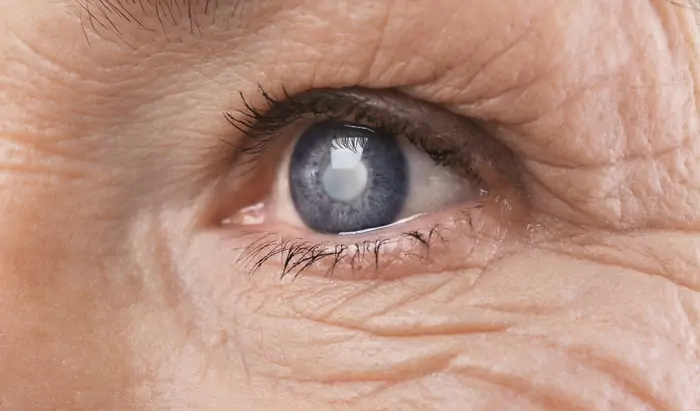
Alzheimer’s and cataract surgery: People with newly diagnosed Alzheimer’s disease are less likely to have cataract surgery than people without Alzheimer’s disease. People with Alzheimer’s disease (AD) are less likely to have cataract surgery than people without Alzheimer’s disease. The procedure rate starts to decrease already one year after the diagnosis, according to a new study […]

Read More… from Alzheimer’s and cataract surgery