Why children may be off their food after Covid

off their food

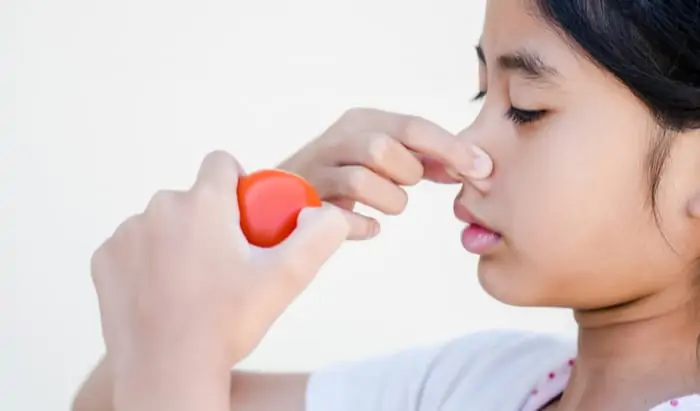
Why children may be off their food after Covid: More and more children could be turning into ‘fussy eaters’ after a bout of Covid, according to smell experts at the University of East Anglia and Fifth Sense, the charity for people affected by smell and taste disorders. This is because they may be suffering parosmia […]

Read More… from Why children may be off their food after Covid

Mitochondria: An energy explanation for autism

Almost every human cell teems with a potpourri of tiny powerhouses: mitochondria. Up to thousands of them. These organelles use oxygen to convert the nutrients from the food you eat into a form of energy the body can use. The brain consumes a lot of this energy — about 20 percent. Could changes in mitochondria, […]

Read More… from Mitochondria: An energy explanation for autism

Flipping the gut microbiome–autism link on its head

health

Flipping the gut microbiome–autism link on its head: A new Australian collaborative Autism CRC study, led by Mater Research and The University of Queensland, has challenged the growing popular belief that the gut microbiome drives autism. The study’s findings may put the brakes on the experimental use of microbiome-based interventions such as faecal microbiota transplants […]

Read More… from Flipping the gut microbiome–autism link on its head

Glioblastoma and autism

Glioblastoma

Glioblastoma and Autism: In accordance with the blueprint contained in our DNA, human cells produce proteins that perform specific functions. An essential step in this process is the reading of the DNA and the transcription of the information into mRNA. A multi-centre study with significant participation from MedUni Vienna has now shown for the first […]

Read More… from Glioblastoma and autism

How sound alters sense of touch

How sound alters sense of touch

How sound alters sense of touch: New research suggests our brains process different sensory inputs more like a symphony, combining and harmonising information rather than processing separately. Processing information from our senses is crucial to survival. Seeing a red light tells you to stop at an intersection, while the sound of a pedestrian button informs […]

Read More… from How sound alters sense of touch

Awards shortlist for project supporting learning disability nursing students

awards

A social media community project set up to encourage and inspire learning disability nursing students, and help them to maintain their mental wellbeing during the Covid-19 pandemic, has been shortlisted for three prestigious awards. The #KeephoLDNon campaign began in April 2020 in response to the UK-wide lockdown after senior lecturer of learning disabilities nursing at […]

Read More… from Awards shortlist for project supporting learning disability nursing students

Autistic Inertia and Movement Disorders

Autistic Inertia

Autistic Inertia and Movement Disorders: A recent (2021) study of Autism examined autistic inertia. The study looked at 32 autistic adults aged 23-64 and asked them to describe in detail the impact of inertia has on their wellbeing, day to day activities and what management skills they employed to try and initiate activity. Results showed that […]

Read More… from Autistic Inertia and Movement Disorders

Researchers discover rare cause of epilepsy

rare cause

An ‘astounding’ find reveals a rare cause of epilepsy: Researchers at The University of Queensland, working to gain a better understanding of how brain cells work, have discovered the underlying mechanism of a rare genetic mutation that can cause epilepsy. Dr Victor Anggono from UQ’s Queensland Brain Institute said his team made the ground-breaking findings while researching nerve […]

Read More… from Researchers discover rare cause of epilepsy

Pandemic mealtimes of seriously ill or disabled children

mealtime

Pandemic mealtimes of seriously ill or disabled children: Almost nine in 10 parents with seriously ill or disabled children feel the pandemic has negatively impacted their mealtimes. A study of 1,142 parents with disabled children found 48 per cent also said their youngsters’ different needs has stopped them coming together as a family. And 58 […]

Read More… from Pandemic mealtimes of seriously ill or disabled children

‘What is autism?’

Autism

Only 16% of autistic people and their families think the public understand autism in a meaningful way. We want to change this and create a society that works for autistic people, and with your help, we can. The National Autistic Society ‘What is autism?’ this #AutismAwarenessWeek​, narrated by our ambassador, Alan Gardner.  Visit www.autism/org.uk to learn more […]

Read More… from ‘What is autism?’