
Chromatin openness sheds new light on prostate cancer plasticity

prostate

Treatment resistance caused by cancer cell plasticity constitutes a major challenge in the treatment of prostate cancer. Published in Nucleic Acids Research, a recent study from the University of Eastern Finland Institute of Biomedicine suggests that the SIX2 protein may be a possible factor underlying increased plasticity of prostate cancer cells and treatment resistance. Prostate […]

Read More… from Chromatin openness sheds new light on prostate cancer plasticity
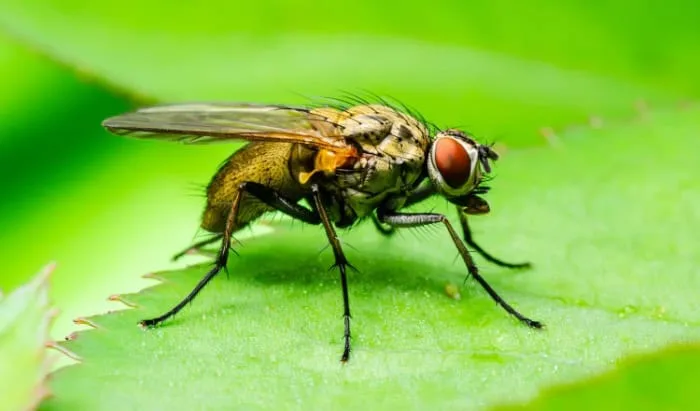
Two genes of the germline are essential for the development of brain tumours in Drosophila

germline

Every cell in an organism carries an identical set of genetic instructions within its DNA. However, what determines whether a cell develops as a neuron, a muscle, or any other specific cell type lies in the activation or inactivation of  specific genes in that particular cell. For instance, in the Drosophila fly, the TrxT and […]

Read More… from Two genes of the germline are essential for the development of brain tumours in Drosophila

Yorkshire children’s charity Candlelighters: one of top three charities in UK for Governance Award

candlelighters

Candlelighters, a charity supporting children with cancer and their families in Yorkshire, has been shortlisted as one of the top three charities in the UK for the ‘People in Governance’ national award in the Charity Governance Awards. Annually, over 150 children in Yorkshire are diagnosed with cancer. When a child is diagnosed, lives are turned […]

Read More… from Yorkshire children’s charity Candlelighters: one of top three charities in UK for Governance Award

Immune cells hunt down cancer around the body

immune B

Scientists have discovered the key features of immune B cells which make them successful at targeting tumours – including when cancer has spread to a different part of the body. Published in Nature Immunology, the researchers have developed a computational tool to identify these anti-cancer immune cells which could lead to improved, personalised immunotherapies. Most […]

Read More… from Immune cells hunt down cancer around the body

New AI model detects ninety percent of lymphatic cancer cases

AI

Medical image analysis using AI has developed rapidly in recent years. Now, one of the largest studies to date has been carried out using AI-assisted image analysis of lymphoma, cancer of the lymphatic system. Researchers at Chalmers University of Technology in Sweden, have developed a computer model that can successfully find signs of lymph node […]

Read More… from New AI model detects ninety percent of lymphatic cancer cases

Breast Cancer Now creates emotive ‘Gallery of Hope’ powered by AI

hope

Gallery of Hope, the exhibition of memories yet to be made, will be launched on 13 March by leading breast cancer research and support charity, Breast Cancer Now, at the Saatchi Gallery and online. Made in collaboration with 10 people living with incurable secondary breast cancer, this exhibition reminds us of the true value of […]

Read More… from Breast Cancer Now creates emotive ‘Gallery of Hope’ powered by AI

Improving cancer prevention among people experiencing homelessness

homelessness

While people experiencing homelessness are more exposed to cancer-associated risk factors, there is a lack of awareness and structures for targeted cancer prevention. Yet people experiencing homelessness are twice as likely to be affected by cancer as people who are resident. Against this backdrop, an international team led by Igor Grabovac and Maren Jeleff from […]

Read More… from Improving cancer prevention among people experiencing homelessness

PFAS may increase the risk of disease in unborn children

PFAS

PFAS may increase the risk of disease in unborn children, new study suggests: PFAS are chemicals that may cause cancer, diabetes, and other diseases. Research from Örebro University and the University of Aberdeen now suggests that these chemicals affect people as early as the fetal stage of development. “We see that PFAS likely has a […]

Read More… from PFAS may increase the risk of disease in unborn children

Breast cancer cells’ self-sacrificial behaviour uncovered as potential cause of relapse

cells

A study led by the NUS Yong Loo Lin School of Medicine discovered that certain breast tumour cells sacrifice their own growth to aid other cells in resisting chemotherapy. For patients with early-stage breast cancer, there is a 7 to 11 per cent chance of relapse within five years after receiving initial treatment, and this […]

Read More… from Breast cancer cells’ self-sacrificial behaviour uncovered as potential cause of relapse

Brushing for brain health

brain

Brushing for brain health: Recent research shows that how you brush your teeth could be linked to conditions such as dementia, stroke, cardiovascular disease and cancer. Dr Mafalda Queiroz, Principal Dentist at the York Dental Suite and Susan Saunders, Goldster Health Coach discuss the findings.  It is now thought that something as simple and prosaic […]

Read More… from Brushing for brain health