New Tool Can Detect Fast-Spreading SARS-CoV-2 Variants Early

SARS-CoV-2

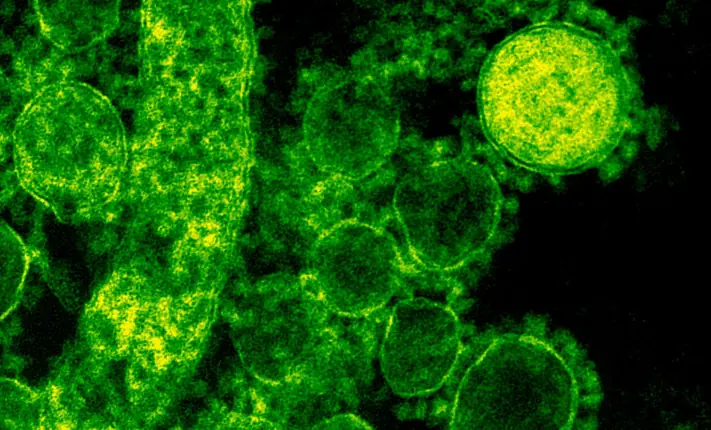
New Tool Can Detect Fast-Spreading SARS-CoV-2 Variants Early – Researchers have developed a powerful tool that can detect variants of SARS-CoV-2 with high transmission potential before they become widespread. This approach could significantly support public health efforts to control outbreaks and help identify new variants that need closer monitoring. By analysing millions of viral genome […]

Read More… from New Tool Can Detect Fast-Spreading SARS-CoV-2 Variants Early

Covid has long-term impact on the immune system

long term impact

SARS-CoV-2 infections have a long-term impact on the immune system: In a study recently published in the renowned journal “Allergy”, a MedUni Vienna research team shows that COVID-19 leads to considerable long-term changes in the immune system, even in mild cases. The findings could help to better understand the long-term consequences of an infection with […]

Read More… from Covid has long-term impact on the immune system

Higher levels of CO2 increase survival of viruses in the air and transmission risk

CO2

A new study has revealed for the first time the vital role carbon dioxide (CO2) plays in determining the lifespan of airborne viruses – namely SARS-CoV-2, the virus that causes COVID-19. It clearly showed keeping CO2 levels in check helps to reduce virus survival, and therefore the risk of infection. The research, led by the […]

Read More… from Higher levels of CO2 increase survival of viruses in the air and transmission risk

Relative deficiency in immune cells can account for poorer vaccination responses in the older population

Action

In a study examining the ageing immune system and what makes it less efficient, researchers looked at the effects of COVID-19 mRNA vaccination in older adults. They found that older adults’ weaker immune response can be attributed to their relative deficiency in a specific type of T cells. As we age, the immune system’s efficacy […]

Read More… from Relative deficiency in immune cells can account for poorer vaccination responses in the older population

Chronic Fatigue Syndrome Cases to Double Post-COVID

chronic fatigue syndrome

Up to 80,000 people in Austria are estimated to suffer from chronic fatigue syndrome, also known as ME/CFS or myalgic encephalomyelitis/chronic fatigue syndrome. The number of ME/CFS patients is expected to rise drastically due to long-term effects of the COVID-19 pandemic. However, research in the field has neither identified mechanisms of disease onset nor causal […]

Read More… from Chronic Fatigue Syndrome Cases to Double Post-COVID

Cats & Covid

covid

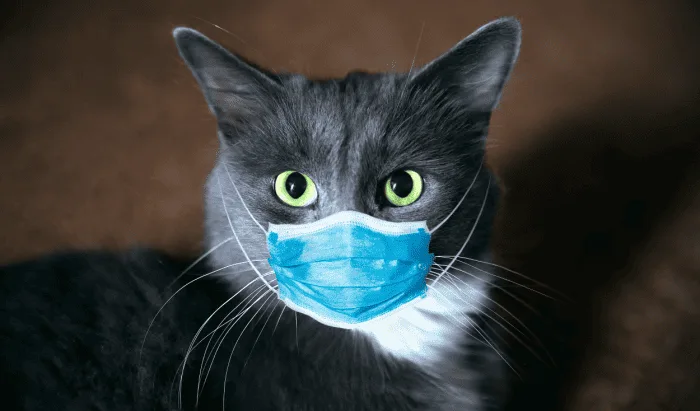
Household cats acquired the same COVID-19 variants as their owners throughout the pandemic, according to new research. The study, published in Emerging Infectious Diseases and led by the MRC-University of Glasgow Centre for Virus Research (CVR) – where scientists first detected human-to-cat COVID-19 transmission in April 2021 – found a retrospective association between the dominant […]

Read More… from Cats & Covid

Vaccination halves risk of long Covid

Long

Being vaccinated against Covid halves people’s risk of developing long Covid, according to new research from the University of East Anglia. Long Covid still affects some two million people in the UK, and new research published today reveals the risk factors associated with developing the condition. Overweight people, women, smokers and those over the age […]

Read More… from Vaccination halves risk of long Covid

Further illnesses still expected from SARS-CoV-2

SARS-CoV-2

SARS-CoV-2: Only neutralising antibodies allow conclusions to be drawn about protection against new infections: Mutations of virus and illnesses caused by new variants are still to be expected even in a SARS-CoV-2 situation that has now become endemic. Although the population has developed specific immune responses due to previous infections and vaccinations, vaccinated and vulnerable individuals […]

Read More… from Further illnesses still expected from SARS-CoV-2

First-line defences short-lived

first-line

First-line immune defences against COVID-19 are short-lived and may explain reinfection. A new study finds that antibodies produced in the nose decline nine months after COVID-19 infection, while antibodies found in the blood last at least a year. Antibodies in the nasal fluid (known as immunoglobulin A, or IgA) provide first-line defence against COVID-19 by […]

Read More… from First-line defences short-lived

Care home nurses still in Covid trauma

care home nurses

Care home nurses still need support to recover from Covid trauma, research shows: Those on the front line of the Covid pandemic need mental health support to help them recover from, or manage, the stress and trauma they faced – according to University of East Anglia research. A new report published today investigates the impact of […]

Read More… from Care home nurses still in Covid trauma