Physical activity may prevent fatigue in patients with MS

activity

A study led by the University of Eastern Finland found that better physical condition and higher daily activity predicted lower levels of fatigue in patients with relapsing-remitting multiple sclerosis, RRMS. A lower disability rate was also associated with less fatigue. The study was published in the prestigious journal Multiple Sclerosis and Related Disorders. Fatigue is […]

Read More… from Physical activity may prevent fatigue in patients with MS

New biomarker can predict MS severity

MS

It is essential to assess the severity of multiple sclerosis (MS) in order to choose appropriate therapeutic measures, but this cannot be reliably done using existing methods. A MedUni Vienna study now shows for the first time that the retina can be used as a prognostic marker. Analyses revealed that retinal layer thinning as a […]

Read More… from New biomarker can predict MS severity

Multiple Sclerosis: New MRI technique could improve diagnosis and treatment

sclerosis

It is important that multiple sclerosis (MS) is diagnosed and treated as early as possible in order to delay progression of the disease. The technique of magnetic resonance imaging (MRI) plays a key role in this process. In the search for ever better methods, a new MRI technique has been used at MedUni Vienna as […]

Read More… from Multiple Sclerosis: New MRI technique could improve diagnosis and treatment

Working to stop MS in its tracks

in its tracks stop MS

Working to stop MS in its tracks: On World Brain Day (22 July), work continues to diagnose multiple sclerosis (MS) earlier, provide access to life-changing treatments and improve the quality of life for those living with the condition By Professor Tissa Wijeratne, University of Melbourne and Professor Wolfgang Grisold, World Federation of Neurology Health, as […]

Read More… from Working to stop MS in its tracks

Multiple sclerosis – causes, symptoms, diagnosis, treatment, pathology

MS

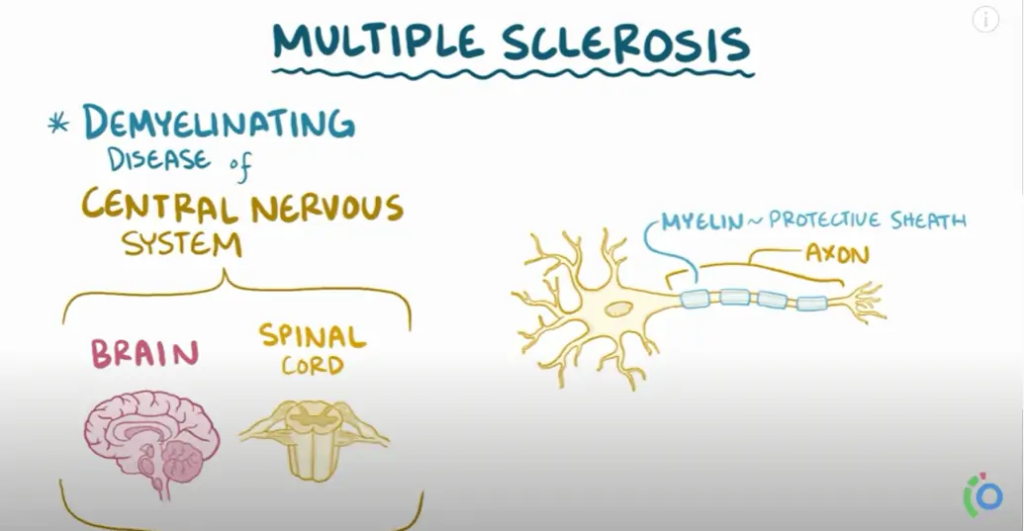
What is multiple sclerosis? Multiple sclerosis is a chronic and progressive neurological disease that results in neuronal cell death, which can lead to a variety of symptoms. Find more videos at https://www.osmosis.org/product/library. Transcript Multiple sclerosis is a demyelinating disease of the central nervous system, which includes the brain and the spinal cord. Myelin is the […]

Read More… from Multiple sclerosis – causes, symptoms, diagnosis, treatment, pathology

Aluminium in human brain tissue

We have now measured the concentration of aluminium in human brain tissue from over two hundred donors involving at least five different brain banks. This equates to several thousand individual brain tissue samples. We have information relating to sporadic and familial Alzheimer’s disease, multiple sclerosis, cancer, epilepsy and autism. If I am honest, I am […]

Read More… from Aluminium in human brain tissue

Q&A with Professor Scott Byrne

Professor Scott Byrne, based at the University of Sydney in Australia, is one of a team of researchers around the world looking into how sunlight may affect human health in many ways which are not yet fully understood.  Here he answers some questions about how UV rays could affect the body’s immune system How do […]

Read More… from Q&A with Professor Scott Byrne

A role for aluminium in multiple sclerosis

Multiple sclerosis (MS) is a devastating disease of the central nervous system and affects approximately 100,000 individuals in the United Kingdom. The cause of MS is unknown and is likely to involve genetic and environmental factors as well as lifestyle choices. There is no cure for MS and current therapies are limited and primarily address […]

Read More… from A role for aluminium in multiple sclerosis

Why everyone should drink silicon-rich mineral water

UK tap water contains very low levels of dissolved silicon or silicic acid (more often referred to as silica), which is unfortunate for the nation’s health. I think everyone should drink silicon-rich mineral water every day to remove toxic aluminium from their bodies and brains. Over the last 10 years, my team at Keele University […]

Read More… from Why everyone should drink silicon-rich mineral water

Brain shrinkage in multiple sclerosis

MS

Multiple sclerosis (MS) affects around 100,000 people in the UK. The lifelong condition affects the brain and spinal cord, and results in nerves being destroyed. The symptoms, and the severity of the illness, vary widely from person to person, but often include fatigue, vision problems, muscle spasms and impaired mobility. At first, patients tend to […]

Read More… from Brain shrinkage in multiple sclerosis