Uncertainties over back pain relief

back pain

A new study by researchers at Brunel University London, Neuroscience Research Australia (NeuRA) and UNSW Sydney, published in the BMJ, looked at 69 different medicines or combinations of analgesic medicines including non-steroidal anti-inflammatory drugs, paracetamol, opioids, anticonvulsants, antidepressants, skeletal muscle relaxants and corticosteroids to compare their effectiveness for adults with acute low back pain. The […]

Read More… from Uncertainties over back pain relief

Articular cartilage can heal partially after injury

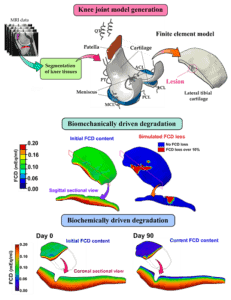
Articular cartilage can heal partially after injury – researchers found a new mechanism: Post-traumatic osteoarthritis is a musculoskeletal disorder shadowing especially the life of young and active population. Inhibition of cartilage damage progression with early intervention is crucial. To predict how an intervention would affect the state of an injured knee joint, knowledge of biomechanical […]

Read More… from Articular cartilage can heal partially after injury

Making musculoskeletal health a global priority

musculoskeletal

International team aims to make musculoskeletal health a global priority: a research team has found that despite being the world’s leading cause of pain, disability and healthcare expenditure, the prevention and management of musculoskeletal health, including conditions such as low back pain, fractures, arthritis and osteoporosis, is globally under-prioritised and have devised an action plan […]

Read More… from Making musculoskeletal health a global priority

Cartilage matrix as natural biomaterial for cartilage regeneration

cartilage

Just a few millimetres thick, articular cartilage plays a crucial role in our musculoskeletal system, since it is responsible for smooth (in the truest sense of the word) movement. However, the downside of its particular structure is that even minor injuries do not regenerate. Timely treatment of cartilage damage is therefore essential. Biomaterials are often […]

Read More… from Cartilage matrix as natural biomaterial for cartilage regeneration

Musculoskeletal pain: Lockdown impact

musculoskeletal

People with bone, joint and muscle pain saw their symptoms worsen during lockdown – according to new research from the University of East Anglia.  A new study shows that the majority of people with musculoskeletal pain reported increased symptoms – as the nation adhered to new government restrictions designed to stop the spread of the […]

Read More… from Musculoskeletal pain: Lockdown impact

Musculoskeletal health during lockdown

Researchers at the University of Aberdeen will investigate musculoskeletal health during the Covid_19 lockdown. A £52,000 grant has been awarded to investigate the impact of lockdown on patients with arthritis and other musculoskeletal conditions – specifically psoriatic arthritis, axial spondyloarthritis, also known as Ankylosing Spondylitis, and chronic pain conditions including fibromyalgia. The charity Versus Arthritis […]

Read More… from Musculoskeletal health during lockdown

Recovery from years of muscle inactivity

Recovery from years of muscle inactivity by Performing Resistance Exercises Rapidly: Several years of hospitalisation, one example of muscle inactivity, causes a disproportionate decline in the muscle strength known to affect balance, increase the risk of joint injuries, and hinder movements involved in sports. That’s according to research from the University of Roehampton, published today in Experimental Physiology. Thus, rehabilitation programmes should work to build the strength involved in these types […]

Read More… from Recovery from years of muscle inactivity

Could pain killers be hiding arthritis?

Could pain killers be hiding underlying arthritis? Thousands of patients with an inflammatory arthritis condition might be being mis-diagnosed because the pain killers they take hide the problem from doctors. A new University of Aberdeen study, funded by Arthritis Research UK, aims to see how big a role patients’ medication plays in slowing down diagnosis […]

Read More… from Could pain killers be hiding arthritis?