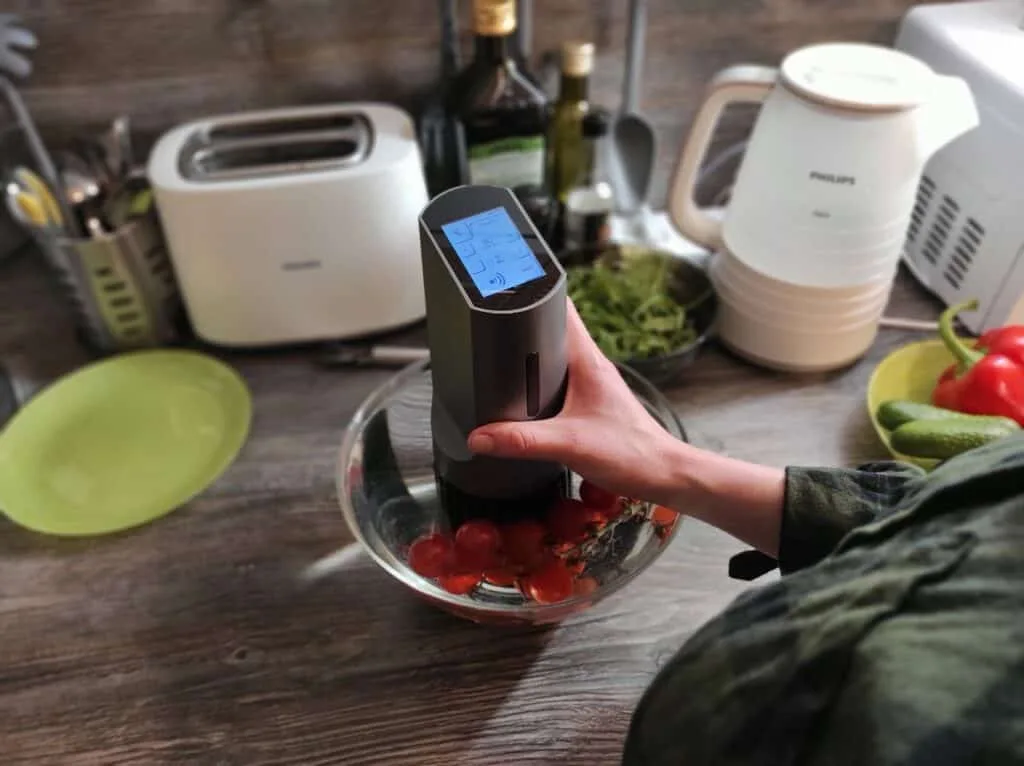
How to remove pesticides and pathogens from your food

Most of the food in the world is grown using pesticides. Cultivating plants on a mass scale without chemicals is a big risk for farmers. Plants can get disease at any time or be infected by parasites or natural pests. Pesticides feed the planet, but at the same time they harm people’s health. With the […]

Read More… from How to remove pesticides and pathogens from your food

Monitoring British bats can help identify coronaviruses

bats

Researchers who found novel coronaviruses in UK bats say genetic surveys of the viruses should be regularly conducted, even if none of those viruses can infect humans yet. Working with a network of bat conservationists, a research team led by Imperial College London and University College London researchers screened faecal samples from UK bats for […]

Read More… from Monitoring British bats can help identify coronaviruses

The flu season ultimate guide

flu season

As flu season arrives, many people are understandably worried about getting ill. Recent statistics show the increased strain on the NHS with 3,746 patients a day with flu. But what is the difference between the various strains of flu, how can we prevent it and how should we respond if we fall ill with it? […]

Read More… from The flu season ultimate guide

Exeter awarded £14 million to fight “next global pandemic”

antimicrobial

Exeter awarded £14 million for antimicrobial resistance research to fight “next global pandemic” The University of Exeter and collaborators have recently been awarded £14 million for antimicrobial resistance (AMR) research – widely acknowledged as the “next global pandemic” AMR occurs when bacteria, viruses, fungi and parasites evolve to become resistant to commonly used antimicrobial drugs […]

Read More… from Exeter awarded £14 million to fight “next global pandemic”

Viruses can ‘hitchhike’ on microplastics

microplastics

Microplastics are not just tiny particles that can be ingested, they can also carry viruses, a University of Queensland study has revealed. The study, led by Associate Prof Jianhua Guo and Dr Ji Lu from UQ’s Australian Centre for Water and Environmental Biotechnology (ACWEB), investigated if microplastics have the ability to harbour viruses, including the […]

Read More… from Viruses can ‘hitchhike’ on microplastics

Phage therapy to fight bacteria

phage therapy

Phage therapy to fight bacteria: New research from the University of Exeter has moved a step closer to harnessing viruses to fight bacterial infection, reducing the threat of antibiotic resistance. A growing number of infections, including pneumonia, tuberculosis, gonorrhoea, and salmonellosis, are developing antibiotic resistance, which means they becoming harder to treat, resulting in higher death […]

Read More… from Phage therapy to fight bacteria

Pandemic proofing our future

Pandemic proofing our future: A project developing a test and treatments that would be effective against multiple viral threats could become a cornerstone of the world’s response to future pandemics. University of Queensland virologist Dr Kirsty Short has been awarded $1.37 million from the National Health and Medical Research Council (NHRMC) to use her understanding of the immune […]

Read More… from Pandemic proofing our future

IPBES Report: Escaping the ‘Era of Pandemics’

Intergovernmental Science-Policy Platform on Biodiversity and Ecosystem Services (IPBES) Report: Escaping the ‘Era of Pandemics’: Experts Warn Worse Crises to Come Options Offered to Reduce Risk Highlights: Intergovernmental Council on Pandemic Prevention; Addressing risk drivers including deforestation & wildlife trade; Tax high pandemic-risk activities 540,000 – 850,000 unknown viruses in nature could still infect people; […]

Read More… from IPBES Report: Escaping the ‘Era of Pandemics’